When people hear the term “killer bees,” it immediately sounds alarming. While the name is dramatic, there is a real difference between these bees and the honey bees most homeowners are familiar with.
Understanding what killer bees are, where they’re found, and how they behave can help you know when a situation is harmless—and when it’s time to call a professional.
What Are Killer Bees?
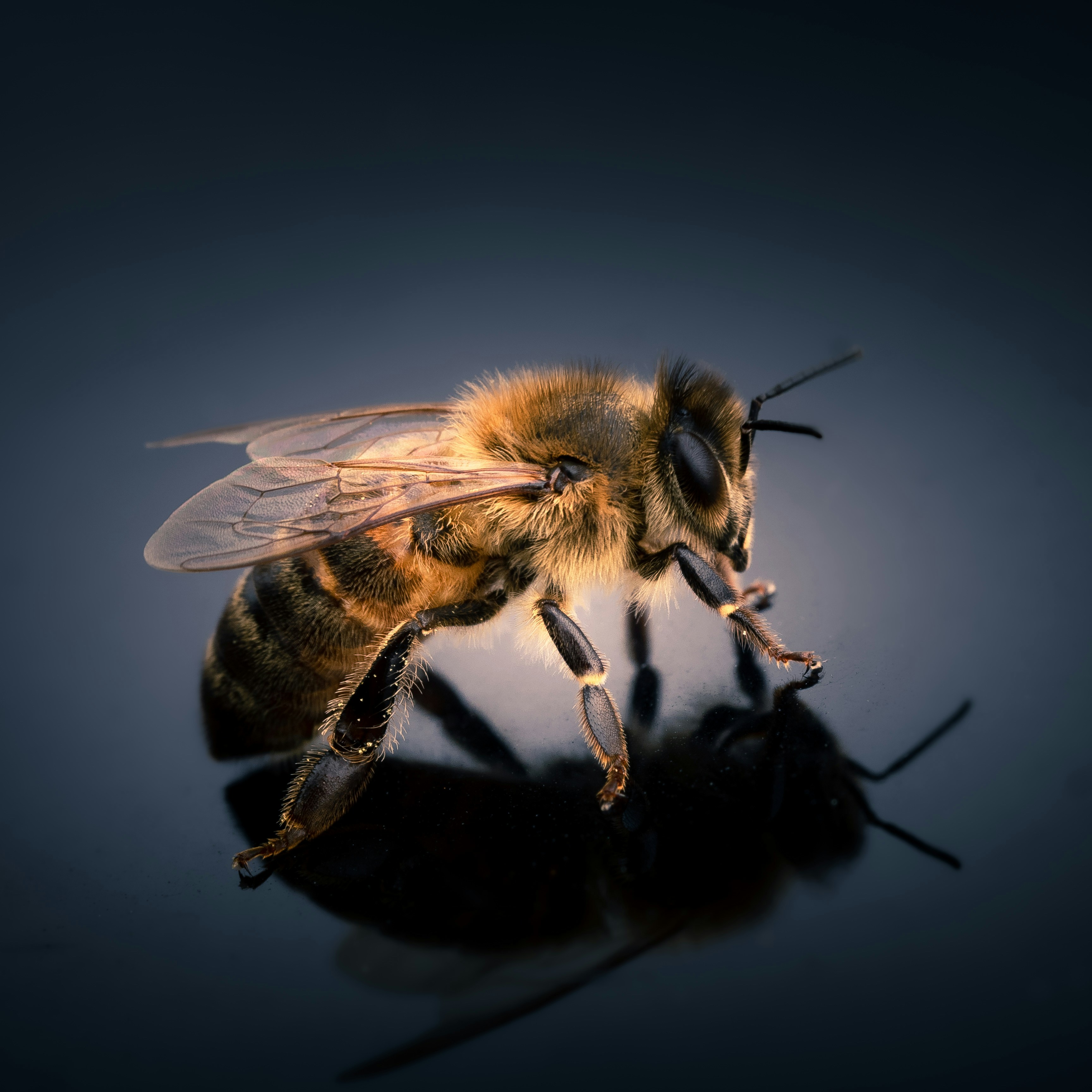
“Killer bees” is the common name for Africanized honey bee. They are a hybrid of African honey bees and European honey bees that were introduced into the Americas in the 1950s.
Over time, they spread northward and can now be found throughout the southern and central United States. While they are not commonly established in Northern Illinois, individual colonies or swarms can occasionally appear during warm months.
Are Killer Bees More Dangerous?
Killer bees are not more venomous than regular honey bees. The danger comes from their behavior—not their sting.
Key differences include:
They defend their nest more aggressively
They respond faster to disturbances
They attack in larger numbers
They may pursue perceived threats for longer distances
A single sting is medically the same as a regular honey bee sting. The risk comes when dozens—or hundreds—of bees sting at once.
How Do Killer Bees End Up Near Homes?
Africanized honey bees are more likely to nest in:
Wall voids
Attics
Sheds
Utility boxes
Tree cavities
Outdoor structures like decks or fences
Unlike managed honey bees kept by beekeepers, these bees establish colonies in tight, hidden spaces—often without homeowners realizing it until activity increases.
Are Killer Bees Found in Illinois?
Africanized honey bees are not established in Illinois, including Northern Illinois and the Chicago suburbs. Their permanent range is largely limited to the southern United States, where warmer winters allow colonies to survive year-round. States such as Texas, Arizona, New Mexico, Nevada, and parts of California see the highest activity.
While isolated swarms have occasionally been reported farther north during unusually warm seasons, these cases are rare and temporary. Illinois’ winter temperatures make long-term survival extremely unlikely. For homeowners in this region, aggressive bee activity is far more likely caused by standard honey bees, yellow jackets, or wasps, not Africanized honey bees.
That said, any bee colony nesting inside a structure should still be taken seriously, regardless of species, due to the risk of stings and structural damage.
Final Thoughts
Killer bees aren’t something most Northern Illinois homeowners encounter regularly—but when they do appear, the situation can escalate quickly. Aggressive bee colonies inside walls or structures are a serious safety concern and should always be handled by professionals with the right equipment and training.
If you’re unsure what type of bees you’re seeing or notice unusual activity around your home, it’s best to have it inspected sooner rather than later.